

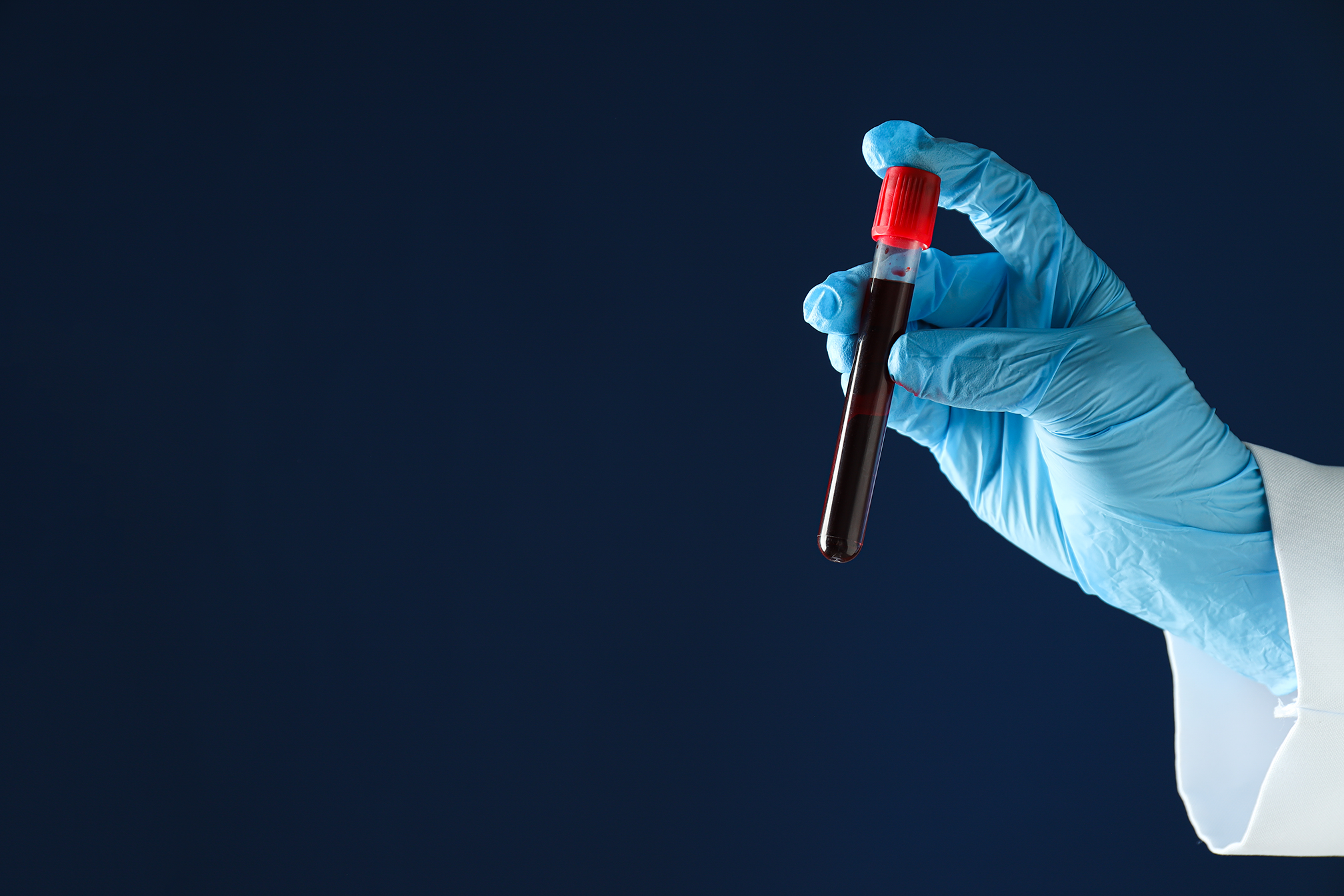
When someone is arrested for DUI in Tennessee and the State has a blood test showing an elevated blood alcohol concentration, it can seem like the case is already decided.
However, a blood alcohol result is only one piece of evidence. Before that number ever appears on a laboratory report, someone has to collect the blood, place it in the appropriate tubes, preserve it, label it, transport it, store it, and ultimately test it. Problems during that process can raise questions about the reliability of the evidence.
That does not mean that every deviation from a recommended procedure makes a blood test invalid. But when the State intends to rely heavily on a blood alcohol result, a DUI defense attorney should investigate how that evidence was collected and handled.
Here are five issues that may deserve closer examination in a Tennessee DUI blood case.

1. Was the Blood Tube Properly Inverted?
Blood collection tubes used for alcohol testing commonly contain chemicals designed to preserve the sample and prevent the blood from clotting.
For example, a common 10 mL gray-top BD Vacutainer contains 100 milligrams of sodium fluoride and 20 milligrams of potassium oxalate. Sodium fluoride serves as a preservative, while potassium oxalate serves as an anticoagulant. Those chemicals need to be mixed with the blood after collection.
Manufacturer-based guidance for gray-top fluoride/oxalate tubes calls for the tube to be gently inverted approximately 8 to 10 times after collection. Insufficient mixing can interfere with proper distribution of the tube’s additives.
This is one reason body-camera footage can be important in a DUI blood case.
If the blood draw was recorded, a defense attorney may be able to watch the collection process and determine whether the person drawing the blood actually inverted the tubes as instructed.
Failing to invert a tube the recommended number of times does not automatically prove that the BAC result is wrong. But it can raise a legitimate question about whether the collection procedure was followed and whether the additives were adequately mixed into the specimen.
That issue can become especially important when there appears to be a significant disconnect between the reported BAC and the other evidence.
For example, the laboratory result might indicate a very high alcohol concentration while body-camera footage appears inconsistent with the degree of impairment the prosecution may argue should accompany that result.
A number on a piece of paper should not necessarily end the investigation. The reliability of the sample that produced the number matters too.
2. Was the Blood Draw Site Properly Cleaned?
Another important part of the process occurs before the needle ever enters the person’s arm.
Forensic blood alcohol collection traditionally uses a non-alcohol-containing skin preparation. The purpose is to avoid introducing unnecessary questions about whether an alcohol-containing product could have affected the specimen.
Published research describes using a non-alcohol swab as standard practice in forensic blood alcohol collection, although studies have also found that properly used alcohol-based skin preparations do not necessarily cause a measurable increase in the resulting blood alcohol level.
The collector should also follow the directions for the particular antiseptic being used, including any required drying time.
Why does proper skin preparation matter? One potential issue is contamination.
Yeasts can produce ethanol through fermentation under certain conditions. Research involving Candida albicans, for example, has demonstrated that it can produce ethanol from glucose in biological samples under particular laboratory and postmortem conditions.
That does not mean an imperfect skin cleaning automatically causes fermentation or falsely elevates a DUI blood test. In fact, a 2023 review of antemortem forensic blood samples found no evidence that BAC increased after collection when blood was collected into evacuated tubes containing sodium fluoride; most studies instead observed some decrease depending on time and storage conditions.
The important question in an actual DUI case is whether the proper collection procedure was followed and whether there are facts suggesting a contamination or preservation problem with that particular sample.
That may require reviewing the blood-draw video, identifying the collection materials used, examining the manufacturer’s instructions, and comparing the laboratory result with the other evidence in the case.
3. Was the Blood Sample Properly Stored?
A DUI blood sample is usually not tested immediately after it is collected. Instead, the sample has to be packaged, transported, entered into evidence, and eventually delivered to a forensic laboratory for analysis.
That makes proper storage an important part of the process.
The Tennessee Bureau of Investigation instructs that blood samples should be protected from heat and recommends refrigerated storage. Those precautions are intended to help preserve the integrity and stability of the specimen while it is waiting to be tested.
A defense attorney may therefore want to know exactly what happened to the blood sample after it was collected.
Was it promptly placed into appropriate evidence storage? Did it remain in a patrol vehicle for an extended period of time? Was it exposed to unusually high temperatures? Was it refrigerated, and if so, were the storage conditions consistent with the procedures being used by the agency?
Those questions can often be investigated through evidence logs, chain-of-custody records, police reports, body-camera footage, and testimony from the people who handled the sample.
Improper storage does not automatically mean that a blood alcohol result is inaccurate, and it should not be assumed that a sample stored at an elevated temperature necessarily produces a falsely high BAC. Scientific research shows that temperature and storage time can affect the stability of ethanol in blood samples, which is one reason forensic agencies use preservation and refrigeration procedures.
The key issue is whether the sample was handled in a way that preserved its integrity and whether the State can show that proper procedures were followed from the time the blood was collected until it was tested.
If the laboratory result appears inconsistent with the other evidence in the case, the storage and handling history of the blood sample may become especially important.
4. Was There Enough Blood in the Tube?
The amount of blood collected in a DUI blood tube can be another important detail to examine.
If a tube designed to collect approximately 10 mL of blood is only half full—or contains substantially less blood than intended—the amount of sodium fluoride and potassium oxalate remains the same even though there is less blood in the tube. A visibly underfilled tube can therefore be a reason for a defense attorney to ask additional questions: why did the tube fail to fill properly? Was there a problem with the tube’s vacuum? Was the tube damaged or expired? Was the collection interrupted? And was the laboratory’s testing procedure validated to account for a specimen collected under those particular conditions?
Those questions matter because forensic blood alcohol testing is more complicated than simply placing blood into a machine and receiving a BAC number.
The Tennessee Bureau of Investigation uses headspace gas chromatography in its blood-alcohol testing process. Under TBI’s publicly available Alcohol Procedure, a measured portion of the blood specimen is transferred into a separate headspace vial and combined with an internal standard before analysis. TBI’s current procedure generally calls for 100 µL of the case specimen and 600 µL of internal standard, while also providing a procedure for smaller specimen volumes on a case-by-case basis.
What Is the “Salting-Out Effect”?
One issue sometimes raised with underfilled blood tubes is known as the salting-out effect.
Salting out is a real chemical phenomenon. Increasing the concentration of certain salts in a liquid can affect how volatile compounds such as ethanol partition between the liquid and the gas, or “headspace,” above it. Because headspace gas chromatography analyzes volatile compounds in that vapor phase, the concentration of preservatives in a blood specimen has received attention in DUI litigation.
An underfilled tube contains proportionally more sodium fluoride relative to the amount of blood collected. At least in theory, that raises the question of whether the altered concentration of sodium fluoride could affect the way ethanol behaves during testing.
However, the scientific research on this issue is more complicated than simply saying that an underfilled tube produces a higher BAC.
A 2003 study specifically examined the argument that insufficient blood in a collection tube could create an artificially high ethanol result because of excess sodium fluoride. The researchers acknowledged that excess sodium fluoride could affect the amount of ethanol in the headspace, but found that this did not translate into a higher reported ethanol concentration using the headspace-GC method they tested. In their experiments, deficient blood volume actually produced results approximately 2–3% lower.
A separate 2004 study tested blood samples containing different concentrations of sodium fluoride. Under the headspace-GC conditions used in that study, increasing sodium fluoride likewise did not artificially increase the measured alcohol result.
That does not mean the amount of blood in the tube should simply be ignored.
A more recent study published in the Journal of Forensic Sciences compared blood-alcohol results from 6 mL and 10 mL gray-top tubes at different fill levels, storage conditions, and alcohol concentrations. When the samples were grouped together, the researchers did not find statistically significant differences at any of the tested concentrations. However, some individual comparisons—particularly at the 0.08 g/100 mL concentration—did produce statistically significant differences that the authors said warranted further study.
For a DUI defense attorney, the important point is that a substantially underfilled tube can still justify examining the entire collection and testing process.
A defense attorney may want to determine:
- Whether the tube collected the amount of blood it was designed to collect;
- Why the tube was underfilled;
- Whether the vacuum in the tube functioned properly;
- Whether the tube was within its expiration date;
- What concentration of preservatives was actually present relative to the blood;
- Whether the laboratory’s validated method addressed significantly underfilled collection tubes; and
- Whether the laboratory followed its procedures when testing the particular specimen.
The existence of an underfilled tube does not automatically prove that the reported BAC was artificially high. But it can be an indication that the blood was collected under conditions different from those intended by the manufacturer, and that can provide a legitimate reason to examine the specimen and laboratory testing more closely.
When a person’s appearance, behavior, field sobriety testing, or body-camera footage seems inconsistent with the reported BAC, details like the fill level of the blood tube should not simply be overlooked.
5. Was the Blood Sample Properly Labeled and Tracked?
Sometimes one of the most important questions is also one of the simplest:
How do we know the blood tested by the laboratory belongs to the person charged with DUI?
TBI specifically instructs officers that blood alcohol and toxicology collection containers should be labeled with pertinent identifying information—including the subject’s name, time, and date—as soon as the specimen is collected. Its current guidance also directs officers to ensure that the subject’s name, collection date and time, phlebotomist information, agency case number, and other information are properly completed.
These procedures exist for a reason.
A DUI investigation can involve police officers, nurses or phlebotomists, evidence technicians, couriers, and forensic scientists. Evidence may change hands multiple times before it is tested, and human error is possible.
An incorrect name, inconsistent collection time, incomplete label, questionable seal, discrepancy between the paperwork and specimen, or unexplained issue in the chain of custody may require further investigation.
That does not mean every labeling mistake results in suppression of the blood test. But the defense should be able to examine the documentation and determine whether the specimen can reliably be traced from the defendant’s arm to the laboratory result being offered in court.
Contact A Knoxville DUI Attorney Today
Blood alcohol testing can be powerful evidence in a Tennessee DUI prosecution. But the BAC number on a toxicology report is the end result of a much longer process.
A thorough defense may require examining how the blood was collected, whether the tubes were properly handled, whether the collection site was appropriately prepared, whether the tubes were adequately filled, how the evidence was stored and transported, whether it was properly labeled, and whether the laboratory followed its testing procedures.
No single mistake automatically means that a blood result will be excluded or that a DUI charge will be dismissed. Some irregularities may have little or no effect on the scientific reliability of a test. Others can become significantly more important when combined with body-camera footage, laboratory documentation, chain-of-custody records, expert analysis, or other evidence that appears inconsistent with the reported BAC.
That is why a DUI blood result should be investigated rather than simply accepted.
At Barnes & Fersten, our Knoxville DUI lawyers examine the evidence behind a blood-test result, including the circumstances of the blood draw, collection procedures, evidence records, laboratory documentation, and the other evidence surrounding the arrest.
If you have been charged with DUI involving a blood test in Knoxville or elsewhere in East Tennessee, contact Barnes & Fersten by calling 865-805-5703 or by filling out our contact form to discuss your case.
This article is provided for general informational purposes only and does not constitute legal advice. Every DUI case is different, and the legal or scientific significance of a blood-collection or testing issue depends on the specific facts and evidence involved.

Attorney At Law, Managing Partner
Brandon D. Fersten is an esteemed Knoxville attorney practicing DUI, criminal defense, and juvenile law. Known for his empathetic approach and commitment to his clients, he brings a record of favorable case outcomes including dismissals and not guilty verdicts at jury trials resulting in Brandon being recognized as one of the “Top 40 Under 40” in Criminal Defense, U.S. News’ Best Lawyers: “Ones to Watch,” and Super Lawyers’ “Rising Stars”. Brandon’s professional accolades, combined with his passion for justice, position him as a reliable criminal defense advocate in the East Tennessee legal landscape, including Knox County, Blount County, Sevier County, Loudon County, Roane County, Anderson County, Cumberland County, Hamblen County, Monroe County, and McMinn County.
